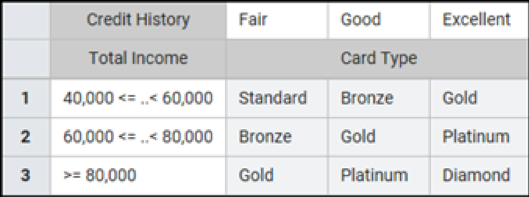
 Dr Jan Purchase just published an article “Better AI Transparency Using Decision Modeling“, in which he describes several possible ways to provide reasonable explanations to the outcome of machine learning algorithms. Jan without hesitations describes practical limitations of the described approaches. Jan and David Petchey will present two examples of their DMN-based approach to ML explanation at Decision CAMP 2018 that starts on Sep. 17 in Luxembourg. See also our post “Decision Automation and Explanations”.




- Follow Decision Management Community on WordPress.com
-
Sponsors
-
Recent Posts
- Philippe Kahn Named Keynote Speaker at DecisionCAMP-2026
- “Optimize Workflow Over Functions”
- Using AI like Driving Cars
- Old and New Attitudes
- Agentic Medical Services
- LLM-Solve 2026
- AI Mirages
- The Society of Decision Professionals (SDP)
- AI Agents are Going Beyond Chatbots
- Enterprise AI is moving toward Decision Systems
- Bigger Models or Smarter Teams?
- Peter Norvig about LLMs
- New Tools and Skills Shift
- Meaning-Driven Architecture
Recent Comments
Categories
- Agents
- Algortithms
- API
- Architecture
- Art
- Artificial Intelligence
- Authentication and Access Control
- AWS
- Blockchain
- Books
- BPM
- Business Analytics
- Business Logic
- Business Processes
- Business Rules
- Case Management
- Case Studies
- CEP
- Challenges
- ChatGPT
- CI/CD
- Cloud Platforms
- Computer Scientists
- Constraint Programming
- Containers
- Coronavirus
- Customer Experience
- Customer service
- Data Science
- Database
- Decision Intelligence
- Decision Making
- Decision Modeling
- Decision Models
- Decision Monitoring
- Decision Optimization
- Decision Tracing
- DecisionCAMP
- Defeasible Logic
- DevOps
- Diagramming
- Digital Decisioning
- Digital Transformation
- Discoveries
- DMN
- Education
- Efficiency
- Ethics
- Event-driven
- Events
- Excel
- Expert Systems
- Explanations
- Fairness
- Forecasting
- Fraud Prevention
- Fun
- Games
- Gen AI
- Goal-Oriented
- GPT-4
- HR
- Human Intelligence
- Human-Machine Interaction
- Humor
- Innovation
- Insurance Industry
- Java
- Knowledge Representation
- Languages
- Legal
- LLM
- Logic and AI
- LowCode/NoCode
- Machine Learning
- Manufacturing
- Microservices
- Misc
- MISMO
- Most Influential
- Natural Language Processing
- Open Source
- Optimization
- Orchestration
- PMML
- Process Mining
- Products
- Prolog
- QA
- Quantum Computing
- Reactive Rules
- Reasoning
- Retail
- RPA
- Rule Engines and BRMS
- Rule Violations
- RuleML
- Scheduling and Resource Allocation
- Science
- Scientists
- Security
- Semantic Web
- Serverless
- SLM
- Software Development
- solvers
- Sponsors
- Spreadsheets
- Standards
- State Machines
- Supply Chain
- Testing
- Thinking
- Trends
- Uncategorized
- Uncertainty
- Vendors
- Writing
Archives
- April 2026
- March 2026
- February 2026
- January 2026
- December 2025
- November 2025
- October 2025
- September 2025
- August 2025
- July 2025
- June 2025
- May 2025
- April 2025
- March 2025
- February 2025
- January 2025
- December 2024
- November 2024
- October 2024
- September 2024
- August 2024
- July 2024
- June 2024
- May 2024
- April 2024
- March 2024
- February 2024
- January 2024
- December 2023
- November 2023
- October 2023
- September 2023
- August 2023
- July 2023
- June 2023
- May 2023
- April 2023
- March 2023
- February 2023
- January 2023
- December 2022
- November 2022
- October 2022
- September 2022
- August 2022
- July 2022
- June 2022
- May 2022
- April 2022
- March 2022
- February 2022
- January 2022
- December 2021
- November 2021
- October 2021
- September 2021
- August 2021
- July 2021
- June 2021
- May 2021
- April 2021
- March 2021
- February 2021
- January 2021
- December 2020
- November 2020
- October 2020
- September 2020
- August 2020
- July 2020
- June 2020
- May 2020
- April 2020
- March 2020
- February 2020
- January 2020
- December 2019
- November 2019
- October 2019
- September 2019
- August 2019
- July 2019
- June 2019
- May 2019
- April 2019
- March 2019
- February 2019
- January 2019
- December 2018
- November 2018
- October 2018
- September 2018
- August 2018
- July 2018
- June 2018
- May 2018
- April 2018
- March 2018
- February 2018
- January 2018
- December 2017
- November 2017
- October 2017
- September 2017
- August 2017
- July 2017
- June 2017
- May 2017
- April 2017
- March 2017
- February 2017
- January 2017
- December 2016
- November 2016
- October 2016
- September 2016
- August 2016
- July 2016
- June 2016
- May 2016
- April 2016
- March 2016
- February 2016
- January 2016
- December 2015
- November 2015
- October 2015
- September 2015
- August 2015
- July 2015
- June 2015
- May 2015
- April 2015
- March 2015
- February 2015
- January 2015
- December 2014
- November 2014
- October 2014
- September 2014
- August 2014
- June 2014
- May 2014
Meta


 Decision Management Community
You must be logged in to post a comment.